Porto Alegre, April 23, 2026 – The blocking of the Strait of Hormuz and the truce in Lebanon seem to point toward an easing of expectations and a potential end to the war in Iran, shaping sentiment in the global corn market.
Market reactions followed expectations, with declines in oil prices and related commodities, a weaker Dollar, and gains in equity markets.
For Brazil, however, this global easing has reinforced the appreciation of the Real, now below R$ 5.00/US$, driven by the country’s still elevated interest rates. While this could suggest a favorable macroeconomic backdrop, the stronger currency weighs on agribusiness, particularly export-oriented sectors.
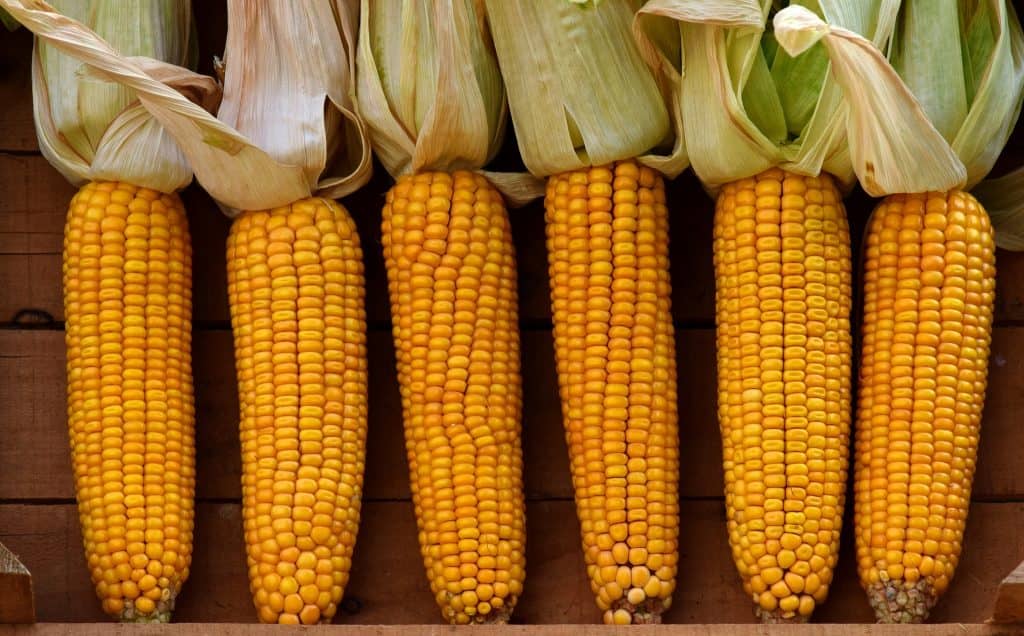
Corn has been at the center of this dynamic. Port prices for second-crop (safrinha) corn have dropped below R$ 64 per sack for July onward, pressuring domestic price formation. With roughly sixty days of weather still ahead to define production, it remains unlikely that supply losses would significantly tighten the domestic balance. The main impact is expected on exports, which may require volume adjustments.
Lower profitability in 2026 also raises concerns for the 2026/27 season, potentially leading to reduced technological investment and even a decline in planted area in some regions.
The blockade imposed by the United States on the Strait of Hormuz has added momentum to expectations of a negotiated end to the conflict. Difficulties in food and fuel access into Iran have reportedly pushed new rounds of negotiations, while a preliminary ceasefire in Lebanon has further improved sentiment.
Market reactions were consistent with this scenario, with oil prices falling sharply alongside derivatives and the Dollar weakening in global markets. Oil dropped back below US$ 85 per barrel in New York during the week, amid signals, including from Iran, pointing toward a possible halt in hostilities.
This decline in energy prices has reinforced expectations that the inflation spike seen in March may have been temporary, opening room for easing inflation in the United States starting in April.
The prospect of softer inflation has once again fueled expectations of interest rate cuts in the US as early as May. A leadership change at the Federal Reserve around that time may reinforce a more dovish stance, adding pressure on the Dollar. The Dollar Index fell to 98 points during the week, remaining within the 96–100 range observed over the past year.
A weaker Dollar tends to support emerging market currencies. While beneficial for some economies, in Brazil this movement has accelerated the appreciation of the Real at a challenging moment. High domestic interest rates contrast with declining long-term yields in the US and the possibility of monetary easing there.
Interest rate arbitrage in Brazil, after briefly easing during the conflict, has risen again, from 4% to 4.5% during the week, attracting strong capital inflows. These flows have supported the stock market but have also strengthened the Real beyond levels considered sustainable for export competitiveness. After losing support at R$ 5.10/US$, the exchange rate tested a new level near R$ 4.90.
This scenario highlights a broader misalignment in Brazil’s economy, where exchange rate dynamics, interest rates, and fiscal policy are not fully coordinated. The current strength of the Real, rather than signaling economic strength, reflects distortions that negatively affect export sectors such as corn.
Attention now turns to the upcoming Copom meeting on the 29th. A rate cut appears increasingly likely, even in the face of elevated inflation. Much of the inflationary pressure stems from fiscal factors, suggesting that high interest rates alone may be losing effectiveness.
A reduction in rates could help ease arbitrage and curb excessive short-term capital inflows, which currently benefit from Brazil’s high yield environment without contributing to long-term economic balance.







THE AGRIBUSINESS ECOSYSTEM
FROM BRAZIL AND LATIN AMERICA