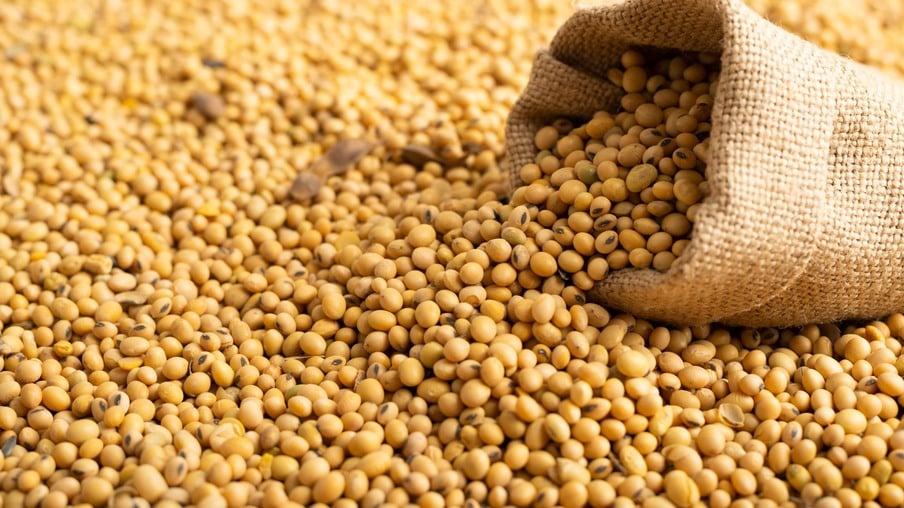
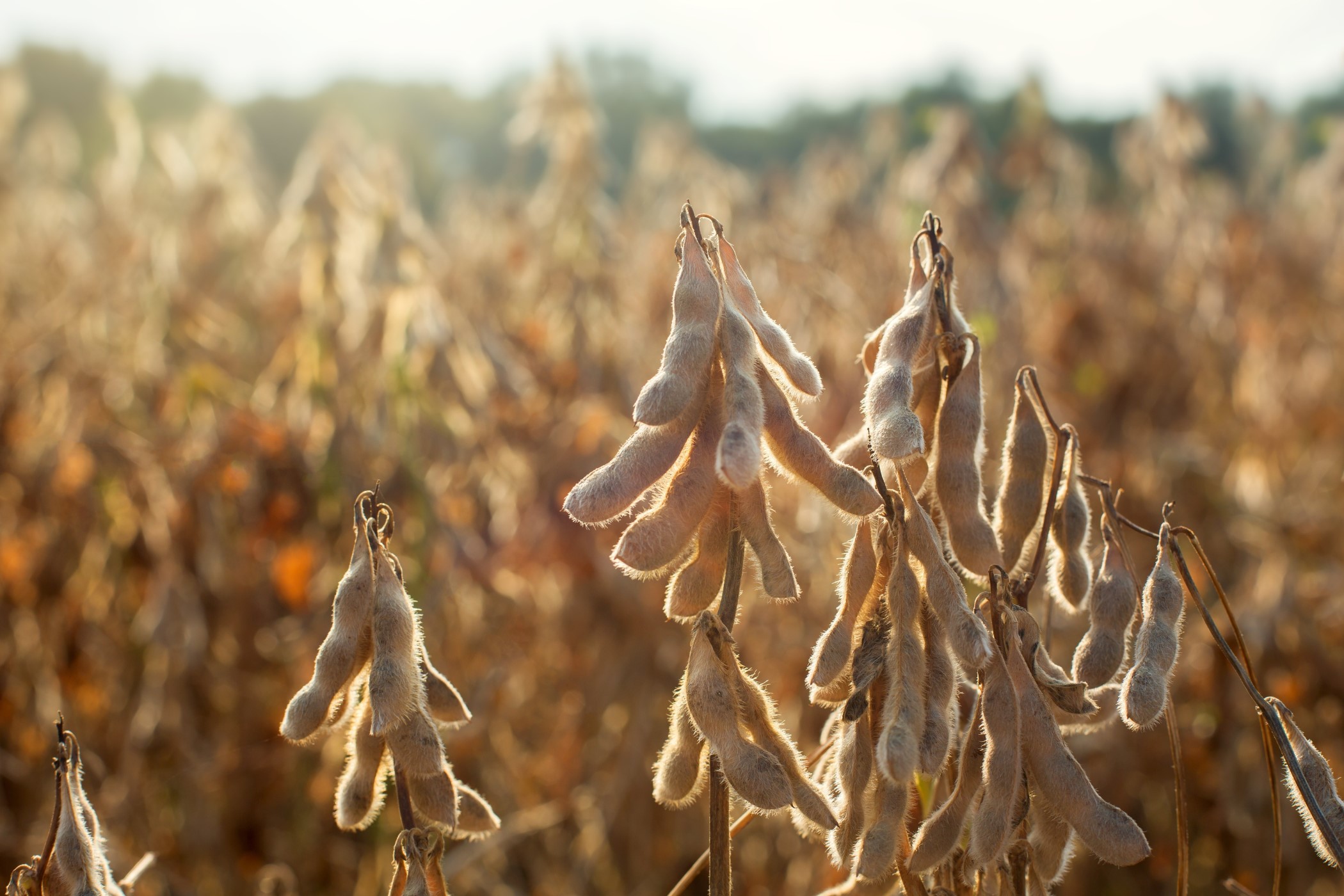
Porto Alegre, March 12th, 2026 – The soybean market posted firm moves throughout the week, still influenced by the escalation of the conflict between Iran, Israel and the United States. Geopolitical tensions increased after the closing of the Strait of Hormuz, leading to strong gains in oil. In this context, WTI traded above US$ 90 per barrel.
The move brought support to the soybean complex, with emphasis on soybean oil, which posted strong appreciation. The bean also advanced in Chicago, once again testing the US$ 12.00 per bushel region, levels not seen in almost two years. Naturally, the move had repercussions in the physical market.
In Brazil, the week was marked by better quotations. The dollar showed volatility, but at certain moments contributed to the execution of deals. Premiums remain in negative territory, though without sharper declines. Thus, gains in Chicago have supported quotations both at the port and in the domestic market.
With this scenario, producers returned to negotiate more actively. The week registered a good volume of business, mainly at the ports. With rising international logistics costs, players are beginning a race to secure product before freight rates advance even further. This movement can be directly observed in the volumes scheduled for shipment in March, whose records already exceed 17 million tonnes, indicating record shipments for the period.
With the advance of the harvest in Brazil, more than 85 million tonnes have already been harvested, with 48.2% of the area harvested. Thus, the first-half dynamic begins to take on new contours. Evidently, given the high volume of product available, prices will hardly post explosive gains. Even so, they may remain at firmer levels and even show anteseasonal behavior, with Brazil “benefiting” from this scenario.
However, this picture will depend directly on the evolution of the conflict in the Middle East. If there is a quick resolution, a price adjustment is likely to occur. On the other hand, if there is an escalation of tensions, oil may once again trade above US$ 100 per barrel. A scenario of scarcity and uncertainty tends to support commodities and may trigger more aggressive demand shocks, opening opportunities for producers.
In the current scenario, the United States still faces slower external sales, with little presence from China, while South America continues to offer large volumes to the market. Crushing margins in China remain negative, which also limits demand. These factors may lead to price corrections in Chicago, but only if the conflict eases. Otherwise, in an environment of escalating tensions, prices may remain firm or even advance in the short term.
Copyright 2026 – Grupo CMA