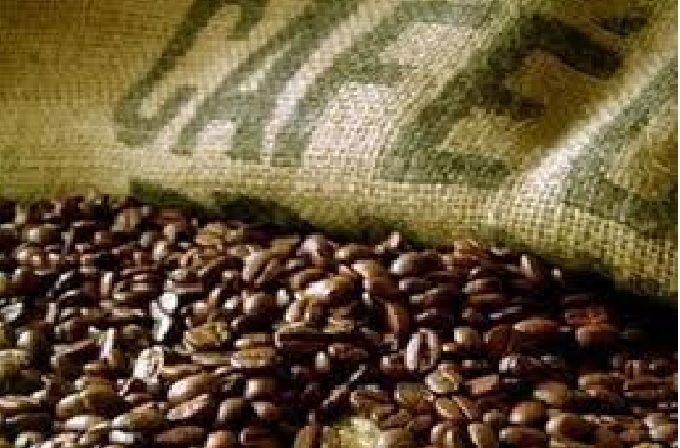
The coffee harvest in Brazil has been much slower than expected. The delay in maturation and the more cautious stance of growers, who are not yet in such a hurry to start reaping, have contradicted expectations, ending up delaying the harvest progress. According to Safras, through May 8, only 1% of potential coffee production had been reaped, against around 6% in the same period last year. The arabica harvest is at only 1%, while robusta reached 2%.
The fact is that the delay in the coffee harvest in Brazil prolongs the situation of low physical availability and contributes to the appreciation of prices, including the reference in the New York Stock Exchange. The harvest progress, which should gain more momentum in May, tends to gradually improve the available supply, with natural seasonal weight against prices. This effect, however, should be mitigated by a lower supply, especially of arabica, due to crop failure.
Brazilian physical market remains valued even with the crop start
Brazilian arabica remains highly valued and well above historical references in early May. Good cup in the south of Minas Gerais is trading at around BRL 2,590 per bag. This represents a nominal appreciation both compared to the same period last year, when it was sold for around BRL 1,268 per bag (price deflated by IGP-M), and to the five-year average (2020 to 2024), which is around BRL 1,097 per 60-kilogram bag, also deflated.
Even with the new crop about to begin, coffee continues to be in a very favorable situation for sellers, which represents a good opportunity for growers — especially those who either have coffee stocks from previous crops or need to raise cash to cover harvest expenses.
Conillon in Espírito Santo has been trading sideways, with a slight downward trend, in early May, while waiting for the harvest to speed up. The price indication for conillon type 7/8 in Espírito Santo is around BRL 1,650 per bag. The advance of the harvest, combined with the expectation of more abundant production, has impacted the market. However, demand from the domestic industry helps to offset the effect of the arrival of the new crop, reducing seasonal pressure, which, even so, tends to be greater than in the case of arabica due to the greater supply available.